

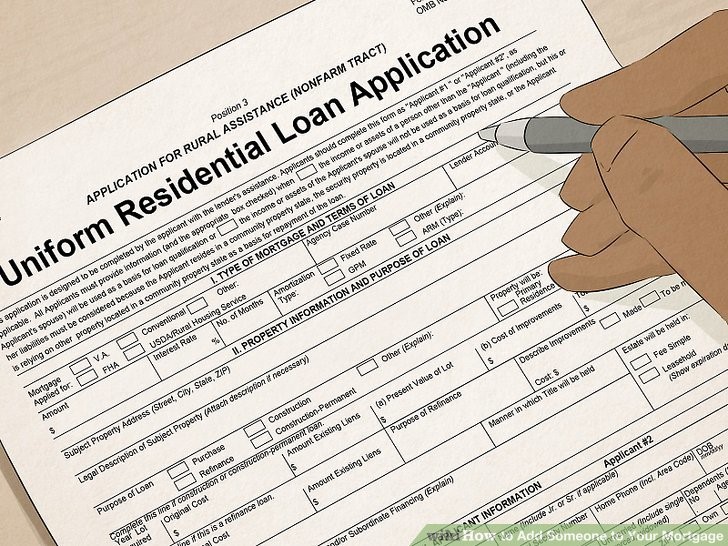
When applying for a mortgage, it’s essential to gather the necessary documents to demonstrate your financial stability and eligibility. Here’s a checklist of what you’ll typically need to include in your mortgage application:
- Income and Employment Verification:
- Provide W-2 forms for the last one to two years for each applicant.
- If you’re self-employed, furnish tax returns and other relevant income documentation.
- Lenders want to see stability and consistency in your income to ensure you can afford the mortgage payments.
- Assets and Debts:
- Detail your assets, including bank statements, investment accounts, and retirement savings.
- Disclose any outstanding debts, such as credit card balances, student loans, or car loans.
- Credit History:
- Lenders will review your credit report to assess your creditworthiness.
- Ensure your credit history is accurate and resolve any discrepancies.
- Identity Verification:
- Provide valid identification, such as a driver’s license or passport.
- Confirm your legal name and address.
- Rental History:
- If you’ve rented previously, share information about your rental history.
- Include details about your landlord, rental payments, and any references.
- Other Relevant Information:
- If applicable, provide documentation related to divorce, bankruptcy, or gift funds.
- Be prepared to explain any unique financial situations.
Remember that the first step is completing the Uniform Residential Loan Application, which asks for personal and financial details. Once you’ve submitted the application, the lender may request additional documents to support your eligibility123. Good luck with your mortgage application! 🏠📝
 mollyMarieMaguire
Leave a comment